Arrowhead Stadium, a venue known for its deafening roar and electrifying energy, was momentarily transformed into the emotional center of the entire NFL during the Kansas City Chiefs’ most recent home game.
In a moment that left 80,000 fans breathless, the stadium erupted not with cheers for a touchdown, but with the silent, powerful wave of commemorative towels—a tribute spearheaded by Travis Kelce that has now rippled through the league and fueled a nationwide conversation about mental health.
The stunning and profoundly personal gesture was a tribute to Marshawn Kneeland, the talented former defensive end for the Dallas Cowboys, who tragically passed away at the age of 24 in early November 2025.1
Kneeland’s death by suicide sent shockwaves through the NFL, but it was Kelce—a player from a rival conference and a different position—who delivered a stadium-wide acknowledgment that no one expected, turning a game day into a communal moment of grief and awareness.
The Haunting Message on the Towels

As the teams retreated to the sidelines for a timeout in the first quarter, the stadium lights dimmed slightly, and the jumbotrons displayed a solitary image of a smiling Kneeland. Simultaneously, a staff member walked onto the field and handed Kelce a folded towel. Kelce, removing his helmet, held the white fabric high above his head.
Within seconds, the 80,000 fans realized the significance of the towels that had been placed on every seat prior to the game. Printed in a stark, black font was a message both simple and haunting: “83+57. You Are Not Alone.”
The “83” represents Kelce’s number, while the “57” was Marshawn Kneeland’s jersey number. The combined message—Kelce’s personal assurance to his fellow athlete, Kneeland, and to everyone watching—was delivered with crushing weight. As fans waved the towels in unison, the scene felt less like a football game and more like a collective heartbeat, an emotional tidal wave that stretched from the field to the highest seat in the upper deck.
Kelce’s Personal & Profound Call to Action
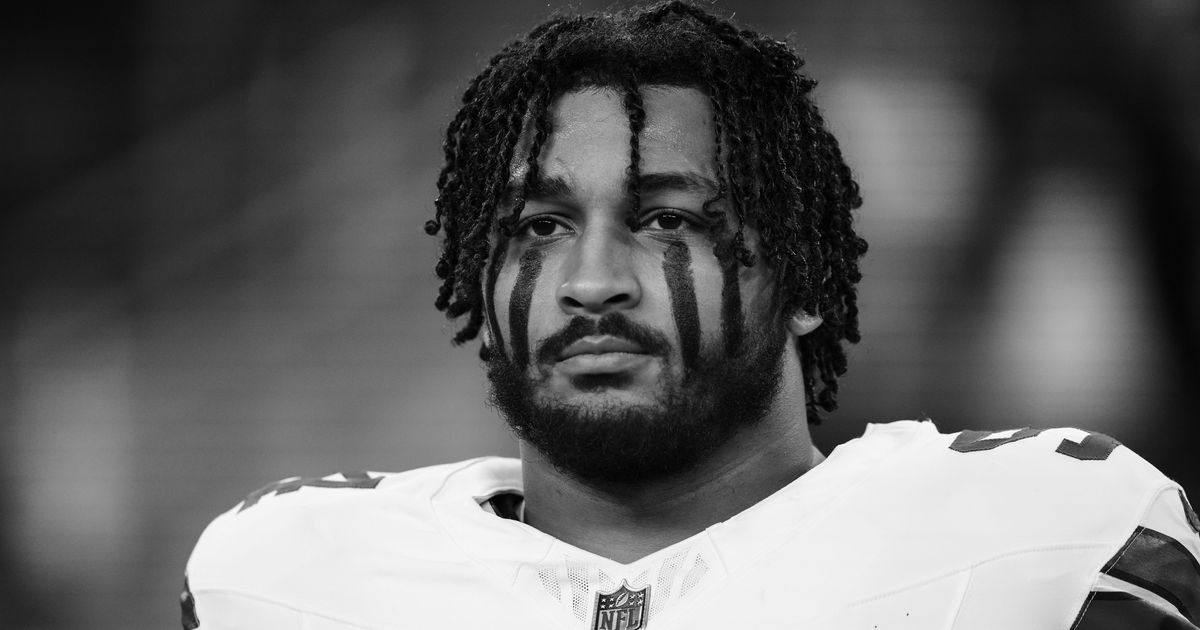
Kelce, who is often the face of playful exuberance, delivered something this personal and profound, elevating the conversation beyond a typical pre-game moment of silence. He understood that Kneeland’s story, which highlighted the silent battles many athletes face, required more than just an obligatory nod. It required a call to action powered by the NFL’s brightest star.
While Kelce has not publicly detailed his personal connection to Kneeland, his gesture spoke volumes about the brotherhood that runs across all 32 NFL locker rooms. These are men who share the unique, intense pressure of playing at the highest level—a pressure that often masks underlying personal struggles.
“This is bigger than football. It’s bigger than the Chiefs or the Cowboys,” an emotional commentator observed during the broadcast. “Travis Kelce just put a spotlight on the most important issue facing this league and, frankly, our society. He used his platform not for profit, but for pain.”
The league has made efforts to address mental health, but Kelce’s action provided a grassroots, visceral moment of connection that instantly resonated. His endorsement of the “You Are Not Alone” message, backed by the physical sight of 80,000 people waving the tribute, is expected to fuel new initiatives and open vital conversations in locker rooms across the country. By making himself a part of Kneeland’s legacy—linking his number to the player who was lost—Kelce cemented the commitment to destigmatizing mental health struggles within the fiercely competitive culture of professional sports.
The Chiefs may have won or lost the game, but on that Sunday, Travis Kelce won a far more important victory, proving that some moments, driven by empathy and profound personal risk, go far beyond touchdowns and trophies.