From Mahomes’ unexpectedly raw confessions to Erika Kirk’s tearful reflections on truth, legacy, and accountability, the episode did not merely trend — it dominated. Within 24 hours, clips flooded X, Instagram, TikTok, and YouTube, amassing billions of cumulative views and igniting debates that stretched far beyond the football world. Fans are already calling it “the most powerful episode ever aired,” while critics — even those openly skeptical of Mahomes — admit they could not look away.
Love him or hate him — this was an episode you had to see to believe.

For Patrick Mahomes, the interview marked a rare departure from the polished, tightly managed image that has defined his public persona since entering the NFL. Long celebrated as the face of modern football — a Super Bowl champion, league MVP, and global ambassador for the sport — Mahomes is accustomed to speaking in soundbites. On this stage, however, the mask slipped. What audiences witnessed was not a quarterback dissecting coverages, but a man reckoning openly with pressure, identity, and the cost of being permanently under a microscope.
Early in the conversation, Mahomes addressed the emotional toll of success — not the victories themselves, but the expectations that follow them. He spoke candidly about the burden of representing not just a franchise, but an entire generation of fans who project their hopes, politics, and frustrations onto him. “People think winning solves everything,” he said at one point. “It doesn’t. It just raises the volume on everything else.” The remark, clipped and shared millions of times, struck a nerve in an era obsessed with achievement yet increasingly candid about burnout.
Erika Kirk’s presence elevated the exchange from interview to dialogue. Rather than serving as a passive counterpart, she challenged Mahomes with pointed, emotionally charged questions that forced him into uncomfortable territory. When she asked whether he feared becoming a symbol rather than a human being, Mahomes paused — a silence that spoke louder than any prepared answer. The moment, replayed endlessly online, became emblematic of the episode’s power: unscripted, vulnerable, and impossible to manufacture.
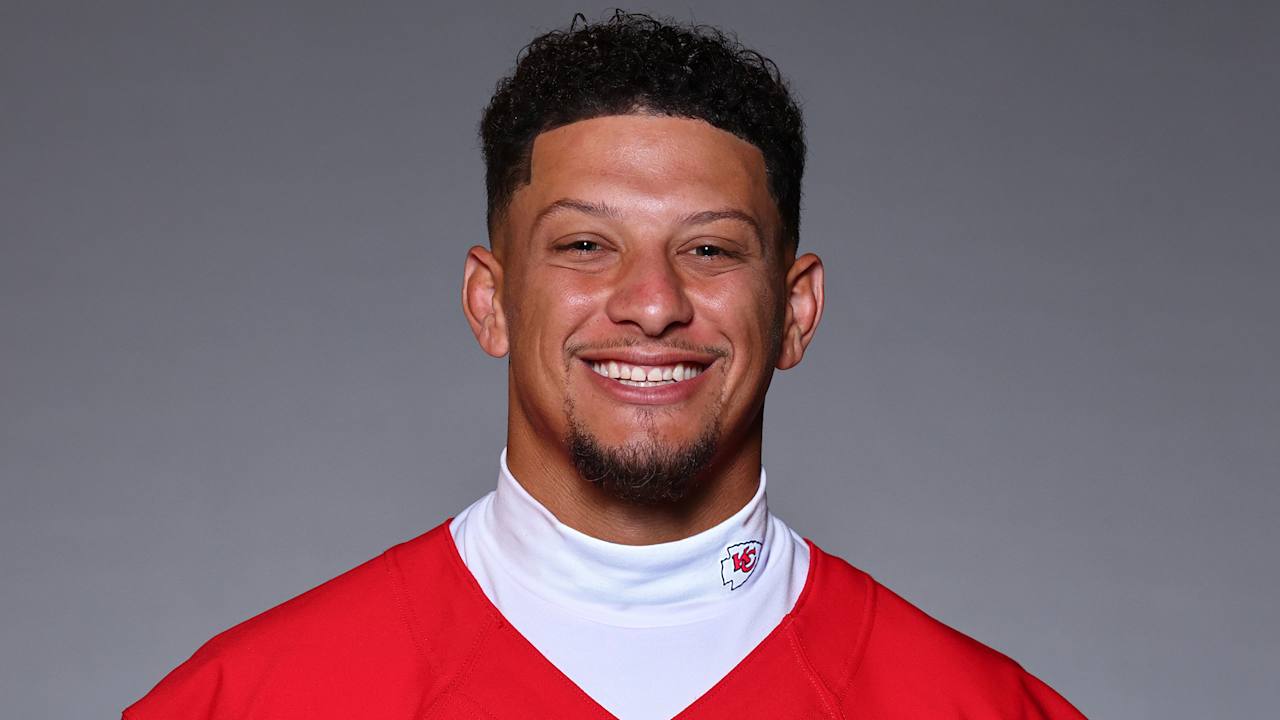
The conversation soon widened to questions of legacy — a subject Mahomes admitted he tries to avoid. At just 30 years old, he has already achieved what many athletes never will, yet he pushed back against the idea that trophies alone define greatness. “If all they remember is my stats, then I failed,” he said. “Legacy is about how you treat people when the cameras are off.” That statement resonated far beyond sports media, finding traction among educators, business leaders, and creatives grappling with similar questions in their own fields.
Predictably, the episode also sparked controversy. Some critics accused Mahomes of overstepping into cultural commentary; others argued that his reflections were deliberately vague. Yet the very intensity of the backlash underscored the interview’s impact. In an online ecosystem saturated with hot takes and outrage cycles, few moments sustain attention across ideological lines. This one did — precisely because it refused to fit neatly into a single narrative.
Industry insiders were quick to note the broader implications. Media analysts described the episode as a case study in the evolving power of long-form conversation, particularly when conducted outside traditional sports journalism. By stepping onto The Charlie Kirk Show, Mahomes reached audiences who might never tune into a postgame press conference or ESPN panel. The result was not consensus, but engagement — and in today’s fragmented media landscape, engagement is currency.
For the NFL, the moment is equally significant. Mahomes has long been positioned as the league’s most marketable star, carefully balancing authenticity with brand responsibility. This interview recalibrated that balance. Sponsors did not flee; instead, social sentiment tracking showed a surge in positive engagement centered on words like “honest,” “brave,” and “human.” In an age when fans increasingly demand transparency from public figures, Mahomes delivered — at personal risk.
Perhaps the most striking aspect of the episode was what it revealed about appetite. Viewers did not flock to the interview for scandal or shock, but for sincerity. In a digital environment optimized for speed and superficiality, three billion views coalesced around a slow, emotionally demanding conversation. That reality challenges long-held assumptions about attention spans and content strategy — and it may influence how athletes, entertainers, and leaders communicate going forward.
As the final minutes of the episode unfolded, Mahomes returned to a simple theme: responsibility. Not as a slogan, but as a lived experience. “I don’t have all the answers,” he said. “But I owe it to people to keep asking better questions.” It was not a mic-drop moment. It was quieter — and more powerful for it.
In the days since its release, the episode has continued to ripple outward, inspiring op-eds, reaction videos, and late-night debates. Whether it ultimately reshapes Mahomes’ public image remains to be seen. What is already clear, however, is that this was not just an interview. It was a cultural moment — one that revealed the hunger for honesty in a world exhausted by performance.
Three billion views and counting did not happen by accident. They happened because, for one unguarded hour, Patrick Mahomes stepped beyond the role of superstar quarterback and spoke as a man navigating pressure, purpose, and legacy in real time. And millions recognized themselves in that struggle.
Love him or hate him — you really did have to see it to believe it.