The current affairs of Philippine showbiz are rarely quiet, but the recent, sensational feud between former Eat Bulaga host Anjo Yllana and the revered triumvirate of Tito Sotto, Vic Sotto, and Joey de Leon (TVJ) has shattered all previous notions of public scandal.
What began as a professional dispute has dangerously spiraled into an all-out, personal war waged through social media and news commentary, with Yllana crossing a severe, ethical line by threatening to expose the most private secrets of a former colleague. The response from the show’s pillars has been devastatingly absolute, pivoting the narrative from a petty disagreement to a profound moral struggle over integrity, ingratitude, and the sanctity of friendship.
The dramatic climax came not in a legal filing or a joint statement, but in a series of calculated, cutting public rebukes from Vic Sotto and Joey de Leon, swiftly followed by the crushing professional rejection from veteran entertainment journalist Cristy Fermin.
The combined weight of their scorn has not only left Anjo Yllana publicly isolated but has also laid bare the profound cost of betrayal in an industry built on personal ties and enduring camaraderie.
The Reckless Escalation: A ‘Box Reveal’ Threat
Anjo Yllana’s campaign against his former employers and long-time colleagues began with accusations of professional misconduct and inequality but has recently taken a deeply personal, almost blackmail-like turn. Yllana escalated the public feud by threatening to expose alleged personal indiscretions of Tito Sotto, the Senate President and one of the show’s original hosts. Yllana’s media gambit involved a dramatic challenge to veteran entertainment journalist Cristy Fermin—whom he called his kumare—to interview him live on her program via Zoom, promising a sensational “Box Reveal.”
The contents of this alleged “box” were not benign secrets or career details; Yllana darkly implied it contained a woman, purportedly a secret mistress or affair partner of Tito Sotto. This move—the promise of destroying a former colleague’s personal and political reputation by exposing alleged marital infidelity—was a clear attempt to leverage scandal for a public platform.
Yllana justified his continuous, aggressive attacks by claiming that a supposed “ceasefire” agreement (which he referred to as “sepire” or stop firing) with Senator Sotto’s camp had been violated. He accused Fermin of being the tool of this violation, complaining that she continued to criticize him in her programs, thereby breaking the truce. Yllana pointedly suggested that Fermin was merely a “batá” (a subordinate or puppet) of Tito Sotto, leveraging the fact that both work for the same network to imply a directed attack.
His challenge to Fermin was a high-stakes media spectacle, designed to force a confrontation and validate his grievances on a national platform. He boldly stated: “Grabe naman kayong makabanat sa akin. Magre-request sana ako, eh. Pwede niyo ba akong i-live bukas? Live tayo bukas, Cristy Fermin! Tutal, eh, ‘di ba, ang tapang-tapang ninyo, Cristy Fermin, eh halatang-halata namang ikaw eh batá ni Tito Sen…” (Your attacks on me are too much. I’d like to request something. Can you interview me live tomorrow? Let’s go live, Cristy Fermin! Since you’re so bold, Cristy Fermin, and it’s so obvious that you are a subordinate of Tito Sen…). This was a direct, aggressive taunt meant to elicit a powerful response.
The Scornful Rejection: “Sayang ang Oras”
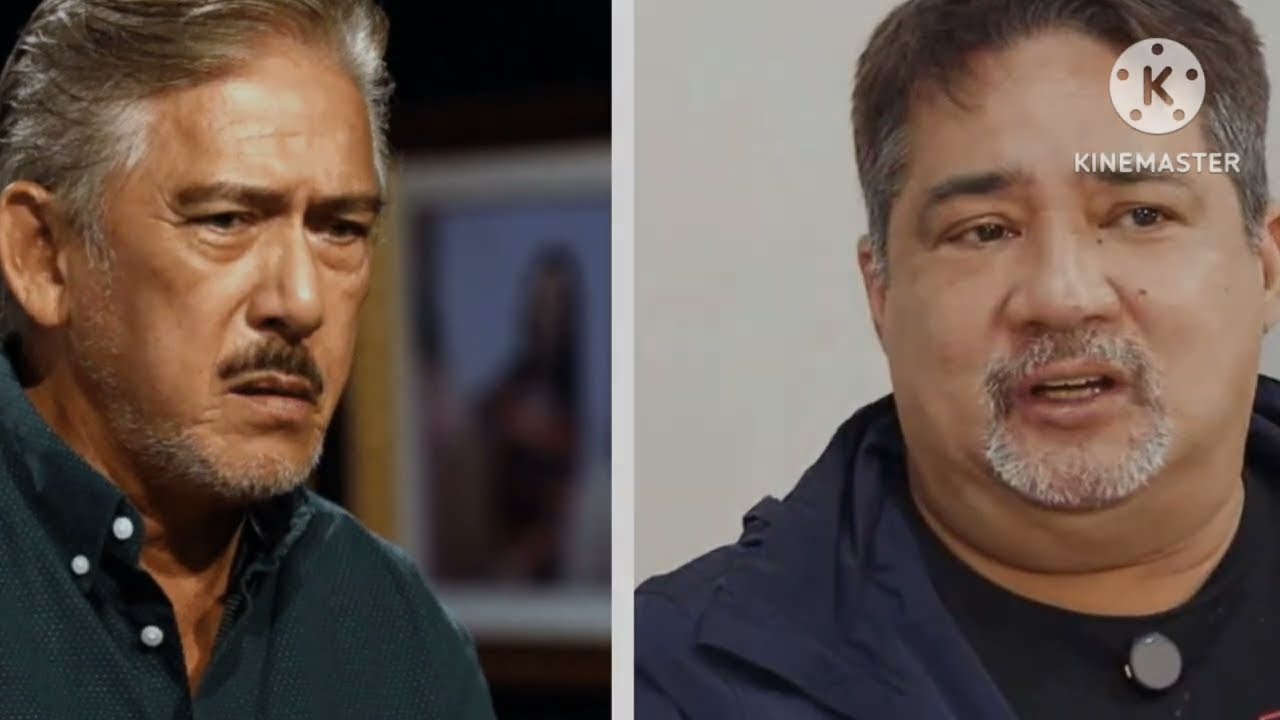
The response from Cristy Fermin was swift, unequivocal, and perhaps the most professionally humiliating rejection Anjo Yllana could have faced. She did not engage in a heated debate or a tactical counter-attack; she simply and utterly declined his challenge.
In a move that stripped the spectacle of its intended high-stakes drama, Fermin publicly dismissed the request for a live interview as a complete “waste of time.” She asserted that her platform was reserved for more “pakipakinabang” (beneficial or worthwhile) pursuits and individuals, delivering a devastating insult to Yllana’s relevance and character.
Fermin used the opportunity not just to refuse the interview but to launch a powerful moral counter-attack. She staunchly denied Yllana’s accusations of being a puppet of the Sottos, stating her opinions were her own, and that she was neither a “pakawala” (puppet) nor a “troll.” More importantly, she delivered a scorching indictment of his integrity, declaring her deep aversion to people who are “walang utang na loob” (ungrateful) and who are willing to “tridorin” (betray) a friendship for personal gain.
“Ayoko talaga sa dila niya. Hindi ko siya ig-gess. Sayang yung oras. Ibibigay ko sa iba ‘yon,” she stated, positioning her rejection as a principled stand against ingratitude and public sabotage. This scornful rejection in the media effectively isolated Yllana and denied his controversial “Box Reveal” the legitimacy he so desperately sought, turning his high-profile challenge into a public embarrassment. The core message was clear: a true journalist’s integrity, according to Fermin, must supersede the lure of sensational, destructive gossip.
Vic Sotto’s Moral Indictment: Dignity Over Downfall
While Tito Sotto, the subject of Yllana’s most personal threats, remained professionally silent, his brother, Vic Sotto (“Bossing”), provided the most powerful, principled rebuke of the entire affair. Vic Sotto, known for his calm demeanor and measured responses, delivered a meaningful and timely reminder that transcended the simple feud, turning the spotlight onto the moral decay exhibited by Yllana’s actions.
Vic Sotto’s statement was not a direct argument about the show or the alleged ceasefire; it was a profound defense of human dignity and integrity. He advised the public—and clearly, the involved parties—to learn the value of silence, particularly when one’s words are intended to destroy another person’s life or reputation.
“Kung may sikreto kang alam tungkol sa isang tao na alam mong ikakasira niya, better keep it than broadcast it,” Vic Sotto declared. This philosophical guidance struck at the heart of Yllana’s threat, defining the “Box Reveal” not as a truth-telling endeavor but as an act of malicious destruction.
Vic Sotto’s message further dismantled Yllana’s motivation by emphasizing that personal failure can never be a path to another’s success. “Never mo ikakaunlad ang pagkakalat ng pagkakamaling nagawa ng iba. Their mistakes will never be your success,” he emphasized. This statement effectively labeled Yllana’s actions as morally bankrupt—a desperate attempt to rise by dragging a former friend through the mud. For Vic Sotto, the preservation of dignity and respect in the face of conflict, and the choice to solve issues privately, far outweighed the ephemeral gains of public slander. His words served as a powerful indictment of the ethics—or lack thereof—demonstrated in Yllana’s crusade.
Joey de Leon’s Betrayal: The ‘Enemy and Traitor’ Label
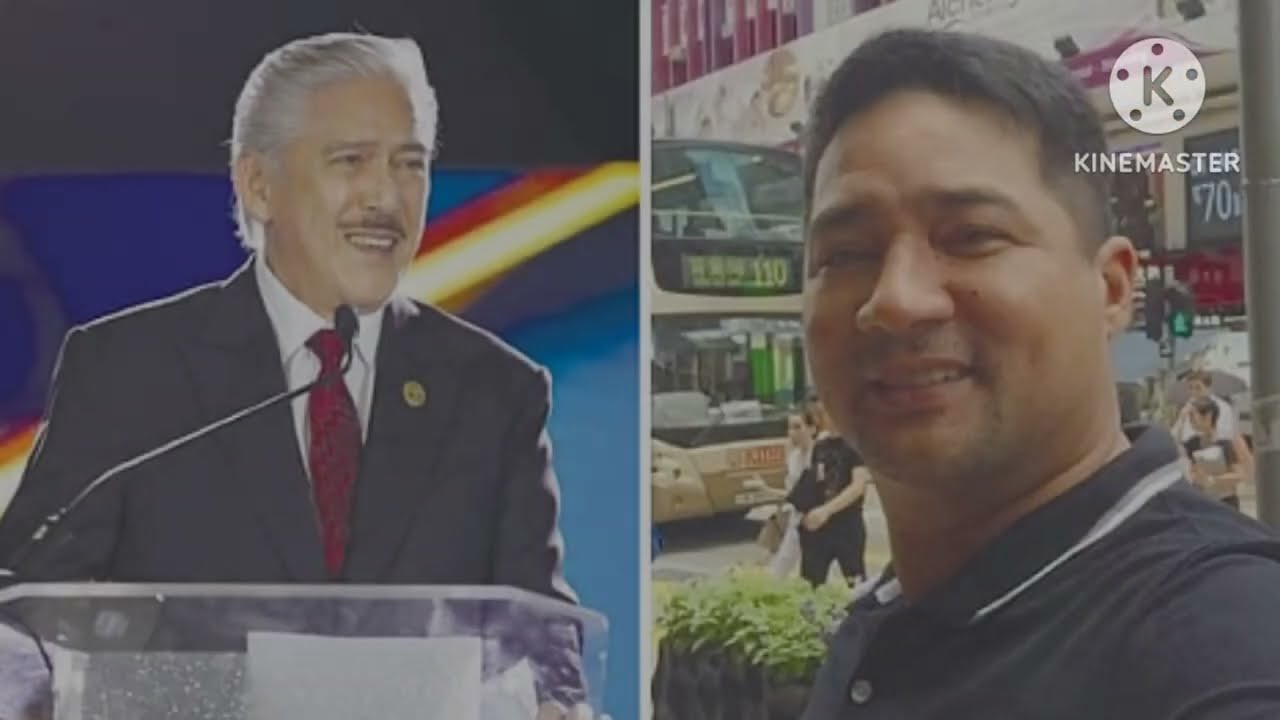
The final, devastating blow came from Joey de Leon, whose response focused squarely on the painful concept of betrayal and the tragic loss of a two-decade-long professional relationship. Joey de Leon—known for his quick wit and pointed commentary—reportedly used a meaningful social media post to “slap” Anjo Yllana with the powerful label of “walang utang na loob” (ungrateful).
For Joey de Leon, the feud was not just a political battle; it was a devastating personal disappointment. He views Yllana’s public attacks, especially the threats against Tito Sotto’s private life, as an unforgivable act of treachery—a complete waste of the 20 years Yllana spent as part of the Eat Bulaga family. Sources suggest that in the eyes of the TVJ camp, Anjo Yllana has now irrevocably designated himself an “kaaway at traydor” (enemy and traitor). This sentiment underscores the emotional chasm that has opened up between the show’s pillars and their former colleague.
The combined responses from TVJ and Cristy Fermin form a unified, scorched-earth strategy that refuses to engage with Anjo Yllana’s specific grievances while simultaneously dismantling his character and moral standing. They have effectively turned the public’s attention away from Yllana’s accusations and onto his methods, which have been condemned as vengeful, destructive, and fundamentally ungrateful.
The public feud has now become a defining moment in the ethics of Philippine showbiz. It is a cautionary tale about the perils of allowing a professional dispute to become a personal vendetta, and the ultimate, often irreversible, price one pays for sacrificing loyalty and dignity on the altar of sensationalism. The TVJ pillars, while criticized for their professional power, have found their ultimate defense in a principled stance on friendship and integrity, leaving their former colleague utterly isolated in the wake of his own explosive threats. The question remains: In this battle of truth versus power, will Anjo Yllana ever be able to recover from the scorn of the very people who helped build his career?