That voice belonged to . And the moment he broke his silence, the league didn’t simply react — it erupted. In a rare and forceful public statement, the seven-time Super Bowl champion stepped directly into the storm to defend Mahomes.
Brady didn’t hedge or soften his stance. He called the attacks on Mahomes “a crime against football,” drawing a clear line and daring the NFL world to respond. Within minutes, locker rooms buzzed, studio debates flared, and social media timelines ignited.
Supporters quickly rallied behind Brady, praising him for voicing what many believed but few dared to say. They argued Mahomes has been carrying impossible expectations, absorbing relentless pressure, and still showing up every week without excuses. “If Tom Brady is saying this,” one viral post read, “maybe everyone should listen.”
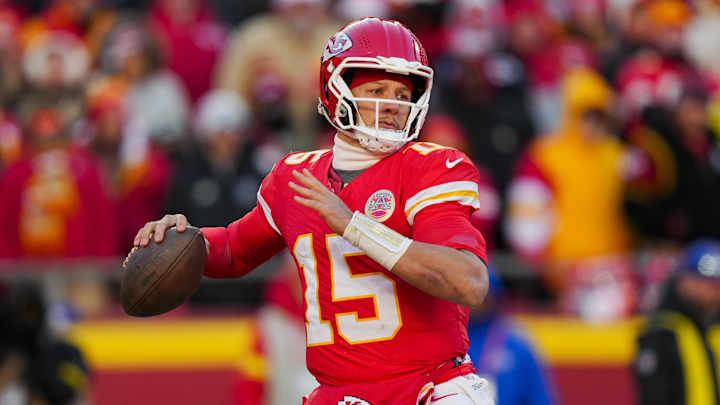
But the backlash was just as swift. Critics accused Brady of favoritism and questioned his timing. Analysts debated whether he had crossed a line by shielding a superstar from accountability. “How is Mahomes above criticism?” one commentator snapped on live television. “Is this leadership — or legacy protecting legacy?”
The debate spiraled beyond a single game. Some saw Brady’s defense as exposing a double standard for elite quarterbacks; others viewed it as a reminder that greatness doesn’t erase humanity. Memes flooded social media, talk shows scrambled for emergency segments, and rival fanbases weighed in loudly.
At the center of it all, Mahomes remained silent — a silence that only fueled the chaos. By nightfall, the controversy had grown into something larger than football: a referendum on how the NFL treats its biggest stars when they stumble, and who steps forward when the knives come out. Love him or hate him, Brady had done something undeniable — he shattered the league’s polite code and turned one loss into the season’s most polarizing debate.