Across social media, fans erupted within minutes, with Chiefs Kingdom celebrating renewed swagger while rivals groaned collectively, knowing that any declaration from Kelce rarely arrives without intention, preparation, and a proven history of backing up bold words.
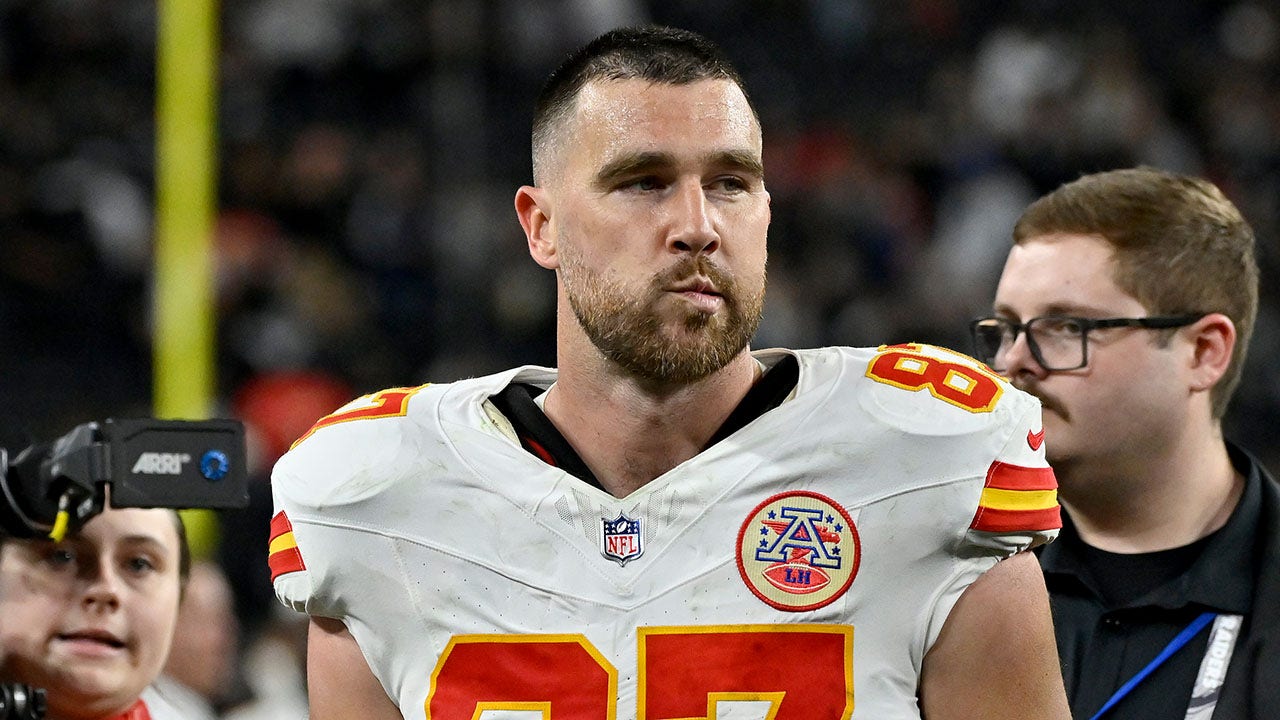
Super Bowl LX suddenly feels less like a distant milestone and more like a battleground being claimed early, as Kansas City positions itself not as a nostalgic dynasty, but as a hungry contender unwilling to surrender relevance or respect.
The timing of Kelce’s message is impossible to ignore, arriving amid whispers about his future, questions about his durability, and relentless speculation over whether the Chiefs’ championship window has quietly begun to close.
Instead of dodging those conversations, Kelce appears to be daring the league to test him, framing doubt as fuel and criticism as confirmation that Kansas City still occupies precious mental space inside every rival locker room.
Patrick Mahomes remains the gravitational center of this narrative, yet Kelce’s declaration reinforces a truth many overlook, that dynasties survive not merely on talent, but on belief strong enough to withstand fatigue and evolving competition.
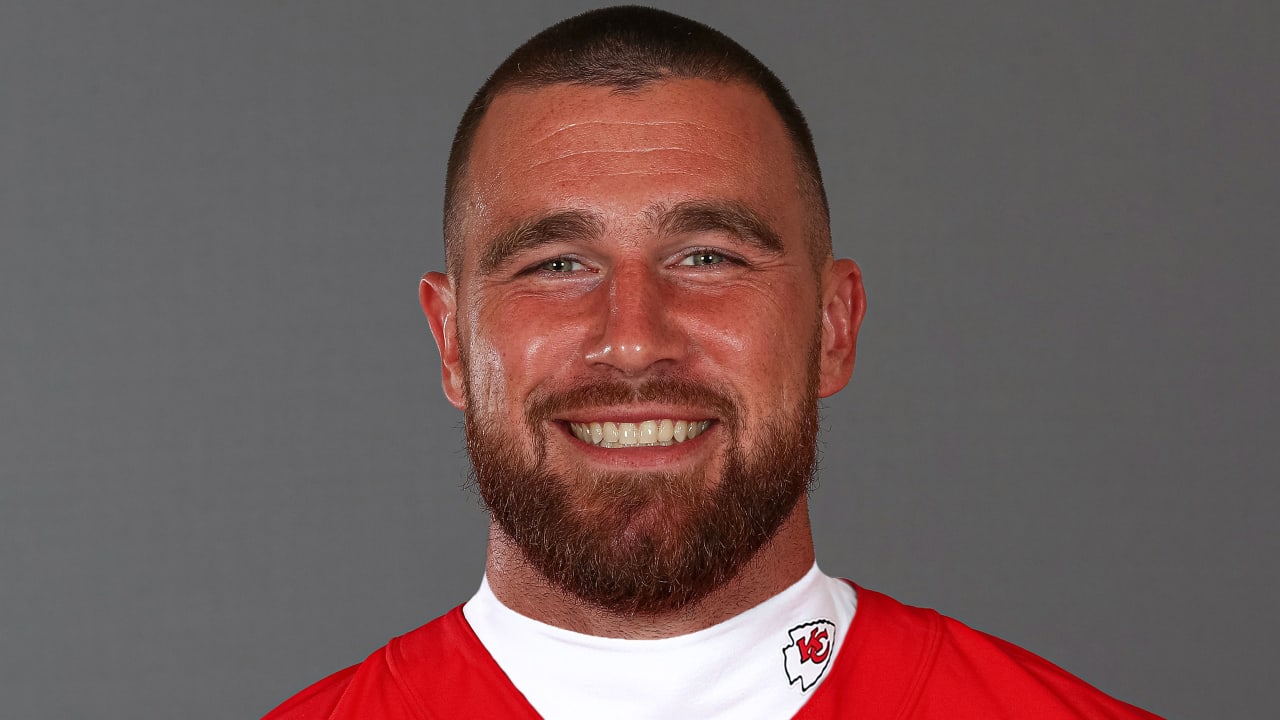
Opposing fan bases argue that confidence alone cannot outrun time, citing younger rosters, faster defenses, and innovative offenses that now populate the AFC, all hungry to dethrone a Chiefs team no longer viewed as invincible.
Still, history complicates that argument, because every season the Chiefs have been counted out, they have responded by bending expectations, rewriting projections, and reminding the league that postseason football rarely follows regular-season logic.
Super Bowl LX speculation has exploded partly because the NFL itself appears torn between craving fresh champions and relying on familiar villains, with Kansas City once again cast as the measuring stick everyone claims to surpass.
Kelce’s presence magnifies that tension, as he embodies both continuity and controversy, adored for his swagger by supporters and dismissed as excessive by critics who insist the Chiefs’ spotlight has become exhausting.

What cannot be denied is his impact, not only on the field but within the cultural ecosystem of the league, where every quote, gesture, and performance fuels content cycles, debates, and endless social media engagement.
Analysts are divided, with some framing Kelce’s statement as strategic motivation, while others interpret it as defiance bordering on denial, a refusal to accept the natural arc of aging athletes in a league obsessed with youth.
Yet Kelce has never played by quiet expectations, instead embracing theatrical confidence that often precedes his most dominant performances, particularly when stakes rise and doubters grow louder.
Inside Arrowhead Stadium, sources describe renewed intensity, suggesting Kelce’s words reflect a locker room mindset rather than a solo proclamation, as veterans and newcomers align around unfinished business.
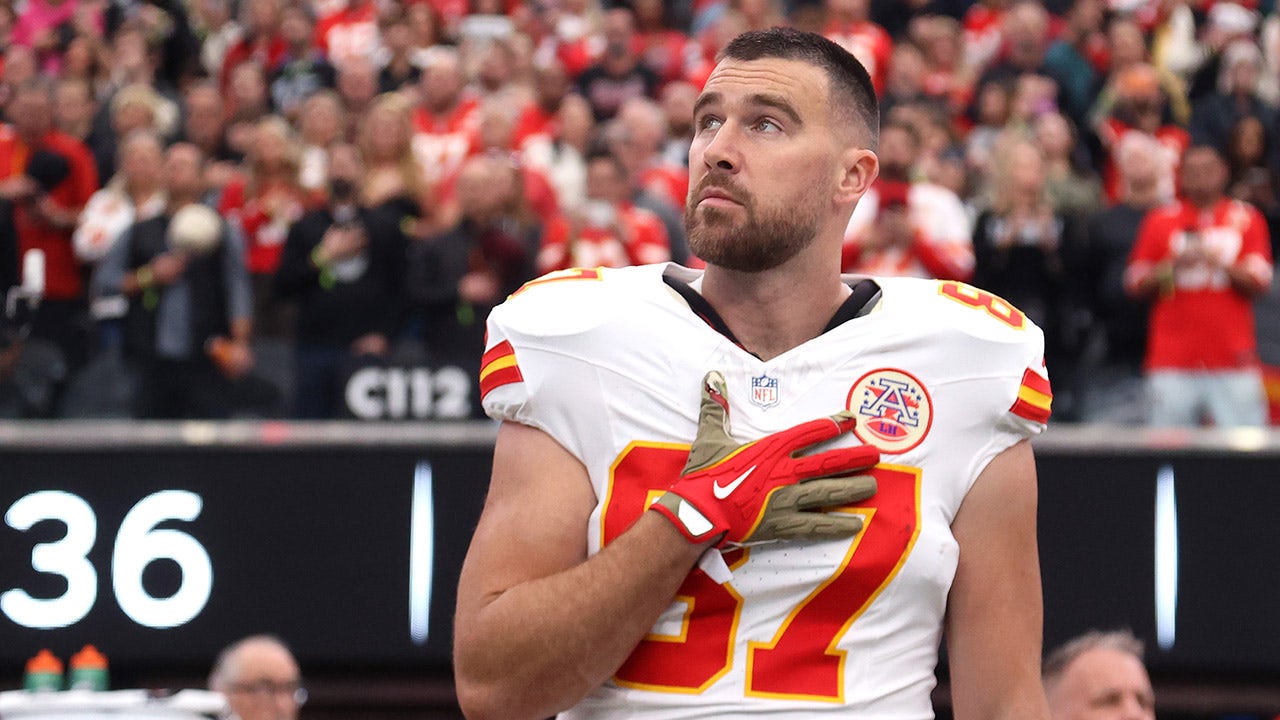
Critics counter that leadership speeches do not block pass rushers or cover elite receivers, arguing that the Chiefs’ margin for error has narrowed significantly compared to previous championship runs.
That criticism, however, ignores the intangible advantage Kansas City continues to wield, a collective belief that moments of chaos favor them, because experience transforms pressure into opportunity rather than paralysis.
Super Bowl LX looms as both carrot and crucible, a chance for the Chiefs to silence narratives of decline or confirm suspicions that their dynasty has finally reached its natural endpoint.
For Mahomes, the challenge is legacy expansion, while for Kelce, it feels more personal, a fight against time, perception, and the suggestion that his best chapters belong firmly in the past.

Fans sense that urgency, amplifying every practice clip, interview snippet, and sideline interaction, turning routine updates into evidence either supporting resurgence or validating skepticism.
The NFL thrives on this tension, because controversy fuels attention, and few storylines generate stronger reactions than a champion refusing to step aside gracefully.
Rival teams privately admit that preparing for Kansas City still carries unique psychological weight, because confidence, once earned through championships, is notoriously difficult to erase.
Kelce’s statement also exposes a broader league question, whether dominance should be celebrated or resented, and why sustained excellence often triggers fatigue rather than admiration among neutral observers.
As debates rage, the Chiefs continue quietly refining their approach, blending experience with youth, while knowing that perception rarely aligns with preparation until results force recalibration.
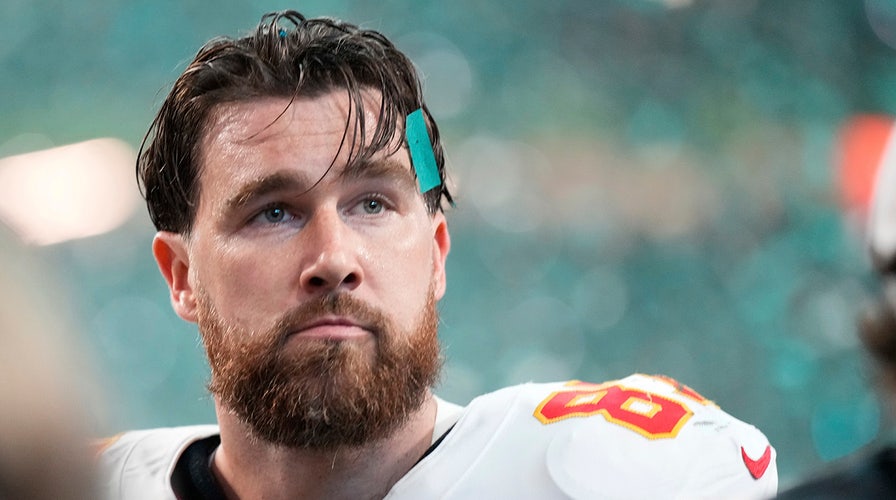
Super Bowl LX predictions will shift weekly, yet Kansas City’s refusal to accept exile from contention ensures they remain central to every discussion, forecast, and argument.
Kelce’s voice cuts through that noise, serving as both rallying cry and provocation, daring critics to bet against a group that has repeatedly punished premature conclusions.
Some fans interpret his words as arrogance, while others hear vulnerability masked by bravado, a veteran acknowledging the fight ahead without conceding ground.
That duality makes the Chiefs fascinating, because they exist simultaneously as champions and challengers, hunted yet defiant, respected yet resented.
The league’s younger stars watch closely, understanding that legacy is not solely built on early success, but on resisting erosion when the narrative turns hostile.
Super Bowl LX may ultimately crown a new hero, but Kelce’s declaration ensures the path will run directly through Kansas City’s shadow.
Whether the Chiefs rise again or finally yield, the drama unfolding guarantees engagement, debate, and relentless scrutiny, exactly what the modern NFL ecosystem demands.
For now, “We’re not done yet” resonates as both promise and provocation, a line destined to be replayed endlessly if Kansas City surges, or scrutinized mercilessly if they fall short.
In a league obsessed with what’s next, the Chiefs insist on what’s now, refusing to fade quietly and daring the NFL world to look away.
And until the final whistle of Super Bowl LX settles the argument, Travis Kelce and the Kansas City Chiefs will remain exactly where they thrive most, at the center of attention, controversy, and unfinished ambition.