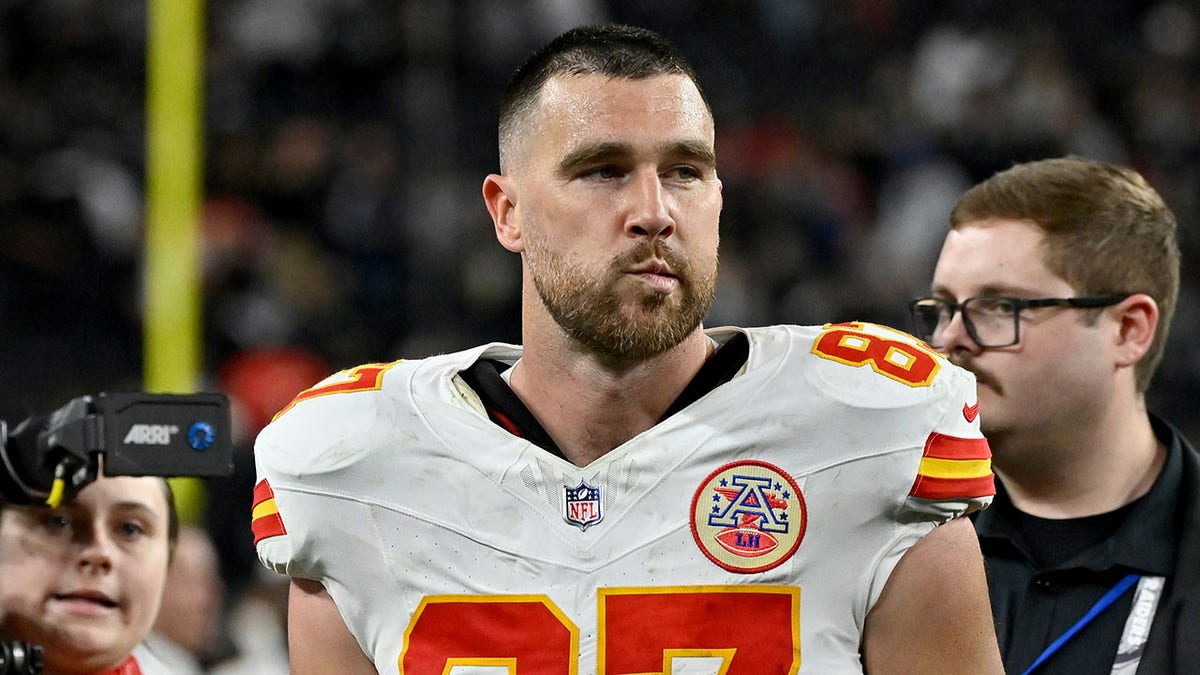
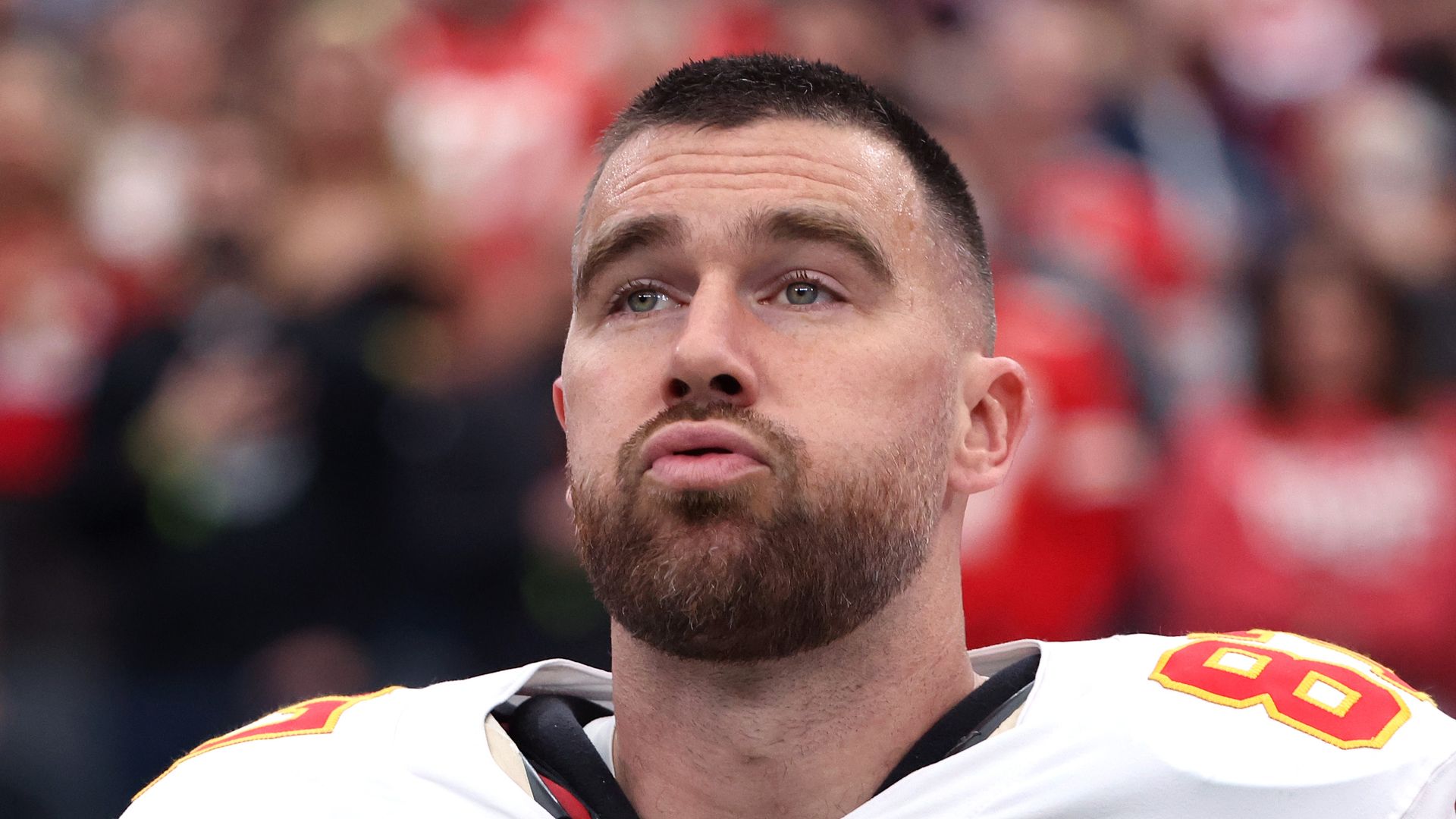
The studio lights burned hotter than usual when Travis Kelce leaned toward the camera. There were no cue cards, no rehearsed punchlines, and no playful smirk. The atmosphere felt charged, as if everyone sensed something irreversible was about to unfold.
Producers had expected a routine segment, perhaps a cautious remark about policy. Instead, viewers witnessed a moment that felt raw and unscripted. The red recording light flickered on, and with it, the illusion of celebrity neutrality disappeared.
For years, Kelce cultivated a persona built on charisma and humor. On this night, that identity seemed deliberately set aside. What replaced it was something heavier, more deliberate, and impossible to misinterpret.
Silence lingered before he spoke, stretching across living rooms nationwide. The pause alone hinted that whatever followed would not be playful commentary but a direct confrontation with the political climate gripping the country.
A Statement That Shook the Studio
When Kelce finally spoke, his tone was measured but unyielding. He criticized the newly debated Born in America Act, framing it not as policy reform but as a moral crossroads that demanded immediate scrutiny.
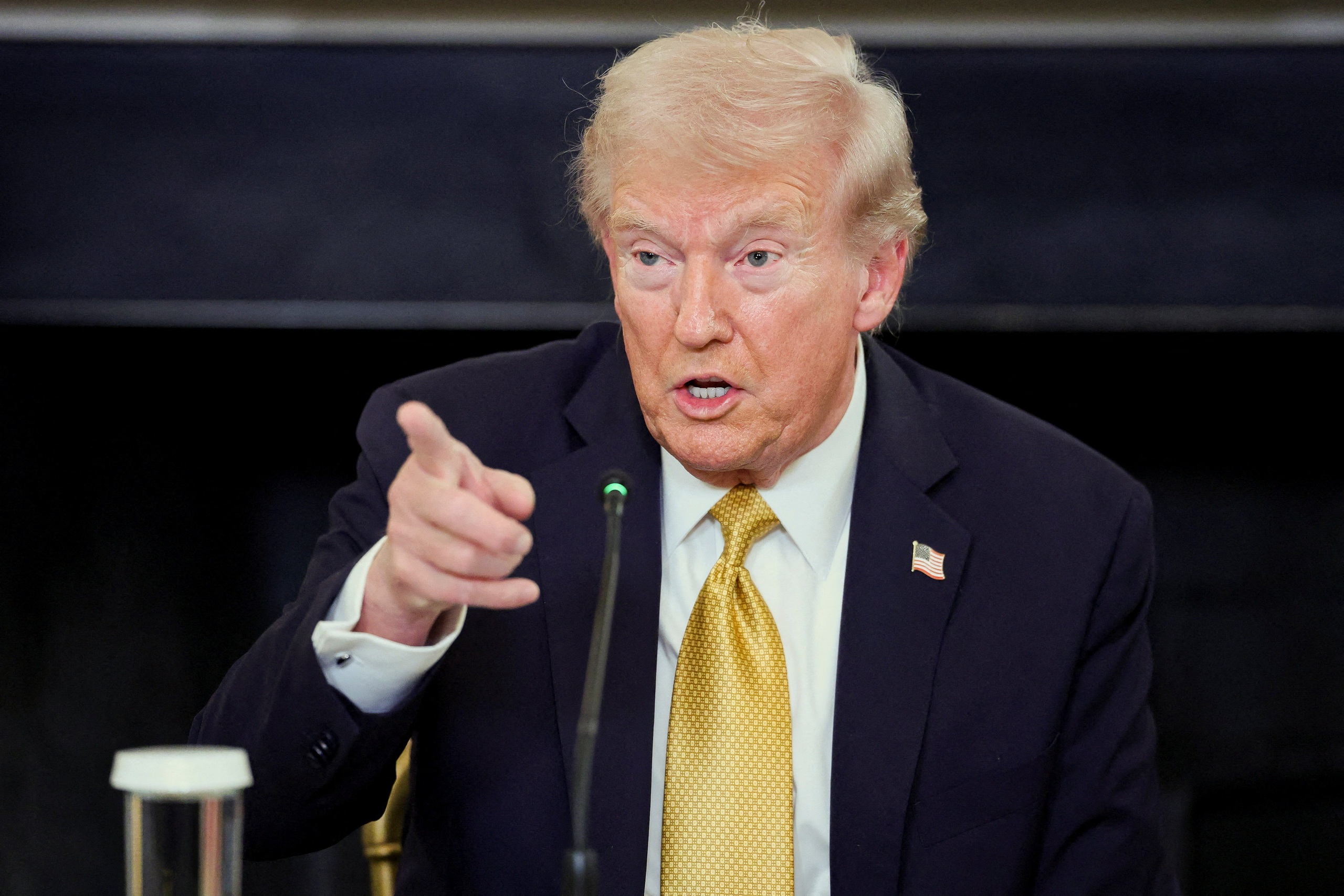
He referenced the endorsement of Donald Trump, arguing that celebrity influence in politics carried consequences far beyond campaign rallies. His words were pointed, leaving little room for ambiguity or diplomatic retreat.
Studio staff later described the atmosphere as “frozen.” No one interrupted him. No one attempted to pivot the conversation. For several seconds, the only sound audible to viewers was the hum of studio equipment.
That quiet amplified the gravity of his remarks. In a media landscape accustomed to cross talk and instant rebuttal, uninterrupted criticism felt almost revolutionary, intensifying the sense that a boundary had been crossed.
The Constitution as Battleground
Kelce’s most provocative claim centered on the Constitution. He argued it was being invoked selectively, transformed from a guiding framework into a rhetorical weapon wielded for partisan advantage.
His phrasing suggested deep frustration, not only with legislation but with the broader tone of national discourse. He framed the debate as a struggle over identity and belonging rather than procedural governance.
Supporters online quickly echoed his sentiment, describing the moment as courageous. Critics, however, accused him of oversimplifying complex legal arguments for dramatic effect, fueling immediate polarization across social platforms.
By midnight, hashtags referencing the speech trended nationwide. Commentators from across the ideological spectrum dissected each sentence, transforming a brief televised segment into a sprawling national conversation.
Celebrity and Political Risk
Athletes entering political discourse often face backlash, and Kelce appeared fully aware of that history. From endorsements to protests, sports figures who speak out rarely escape scrutiny unscathed.
What distinguished this moment was its intensity. He did not hedge or soften his stance. Instead, he delivered criticism in language unusually blunt for a prime time interview.
Media analysts debated whether such candor would strengthen or damage his public image. Some argued that authenticity resonates in an era of cautious messaging. Others predicted sponsors might quietly distance themselves.
Within hours, marketing experts speculated about potential financial fallout. Yet the speculation only amplified interest, drawing even more viewers to the viral clip circulating across digital platforms.
A Divided Public Responds
In suburban living rooms and crowded city apartments, reactions varied dramatically. For some viewers, Kelce articulated frustrations they felt had gone unheard by elected officials.
Others considered his remarks inflammatory, arguing that celebrity interventions deepen political divides rather than heal them. Call-in radio shows buzzed with heated exchanges before sunrise.
Polling conducted the following day suggested a stark generational divide. Younger respondents tended to support his willingness to speak openly, while older audiences expressed discomfort with athletes wading into legislative disputes.
The divide underscored a broader cultural shift. Public figures are increasingly expected to declare positions, yet they are simultaneously criticized for doing so, creating a paradox that few navigate successfully.
The Weight of Words
Observers noted that Kelce’s voice never trembled. There was no visible anger, only controlled intensity. That composure lent credibility to a speech that might otherwise have been dismissed as emotional outburst.
Communications scholars later analyzed the segment, highlighting his deliberate pacing and strategic pauses. Each phrase seemed calculated to resonate beyond the immediate broadcast.
By avoiding shouted rhetoric, he maintained an image of rational conviction. This approach, experts argued, made his critique more difficult to caricature or trivialize.
Nevertheless, opponents seized upon specific phrases, replaying them repeatedly to argue that he had crossed into disrespect. The debate quickly extended beyond policy into questions of tone and decorum.
Social Media Eruption
Within minutes, clips spread across multiple platforms. Some edits emphasized his harshest lines, while others focused on the studio’s stunned silence that followed.
Influencers and commentators produced rapid reaction videos, dissecting his facial expressions and cadence. Each reinterpretation added layers of narrative to the original moment.
Supporters organized digital campaigns praising his courage. Detractors countered with their own hashtags, accusing him of leveraging fame irresponsibly.
The digital battleground mirrored the larger political divide. Algorithms amplified outrage, ensuring that even those who had not watched the original broadcast encountered fragments of it repeatedly.
Teammates and League Reaction
Inside the league, responses were cautious. Teammates offered carefully worded statements supporting his right to express personal views without necessarily endorsing the content of his remarks.
League officials refrained from direct comment, emphasizing a commitment to free expression while avoiding alignment with any political position. The balancing act reflected longstanding tensions within professional sports organizations.
Privately, some players reportedly admired his willingness to risk controversy. Others worried that the spotlight could shift attention away from the season’s competitive priorities.
The situation illustrated how one statement can ripple through an entire organization, affecting not only public perception but internal dynamics and locker room conversations.
Historical Echoes
Kelce’s moment inevitably invited comparisons to past athlete activism. From symbolic gestures during national anthems to outspoken interviews, sports history is filled with figures who blurred the line between competition and commentary.
Historians pointed out that such interventions often spark immediate backlash but can reshape long-term discourse. Time frequently alters public judgment of controversial stands.
Whether Kelce’s speech will be remembered as a turning point or a fleeting media storm remains uncertain. Yet its immediate impact is undeniable.
The broadcast tapped into anxieties already simmering nationwide, magnifying them through the lens of celebrity visibility and modern media acceleration.
The Policy at the Center
Amid the spectacle, legal experts urged viewers not to lose sight of the legislation itself. The Born in America Act contains complex provisions requiring careful examination beyond emotional soundbites.
Some scholars argued that certain interpretations circulating online were exaggerated. Others contended that concerns raised by critics deserved serious consideration.
Kelce’s intervention, regardless of one’s stance, forced renewed attention on the bill’s specifics. Downloads of the legislative text reportedly spiked in the hours following the broadcast.
In that sense, the controversy achieved something rare in contemporary politics: it prompted widespread engagement with the underlying policy rather than mere partisan slogans.
Personal Stakes and Identity
During the broadcast, Kelce referenced his family’s history and connection to the country. That personal framing transformed abstract debate into a narrative about belonging and dignity.
Sociologists note that identity-driven rhetoric often resonates more deeply than technical policy arguments. By invoking heritage and sacrifice, he grounded his critique in lived experience.

Critics argued that emotional appeals risk overshadowing factual nuance. Supporters countered that personal testimony is a legitimate and powerful form of political expression.
The tension between emotion and analysis became central to discussions about the speech, revealing differing expectations for how public figures should engage in civic debate.
What Comes Next
In the days following the broadcast, speculation continued about potential consequences. Would sponsors respond decisively, or would public support outweigh commercial risk?
Kelce himself remained largely silent, declining additional interviews. That restraint only fueled curiosity, leaving analysts to interpret his intentions without further clarification.
Some believe the moment signals a broader shift, where high-profile athletes embrace political candor as part of their public identity. Others predict a return to cautious messaging after backlash subsides.
What is certain is that the red light moment will linger in collective memory. Whether viewed as courageous or reckless, it crystallized the volatile intersection of sports, politics, and national identity in a single, unforgettable broadcast.