Usually it’s Patrick Mahomes and the Kansas City Chiefs playing on these Sundays in the AFC Championship Game. In fact, this year ended a streak of seven seasons in a row.
We will get to that in a minute.
Mahomes was hurt back in Week 15 in December when he tore ACL and LCL vs. the Los Angeles Chargers. Since he hasn’t been playing and neither are the Chiefs, the superstar quarterback has been spending time with family while rehabbing like this New Year’s Eve photo shows with Brittany, baby Golden, son Bronze, and daughter Sterling.
In a bold move that has ignited fierce debate across political lines, Jeanine Pirro has targeted alleged Soros-backed protest funding, proposing a RICO-level crackdown on shadow financing networks.
This development centers on a massive scandal in Minnesota, where a complex web of Somali-linked organizations is accused of defrauding federal programs on an unprecedented scale.
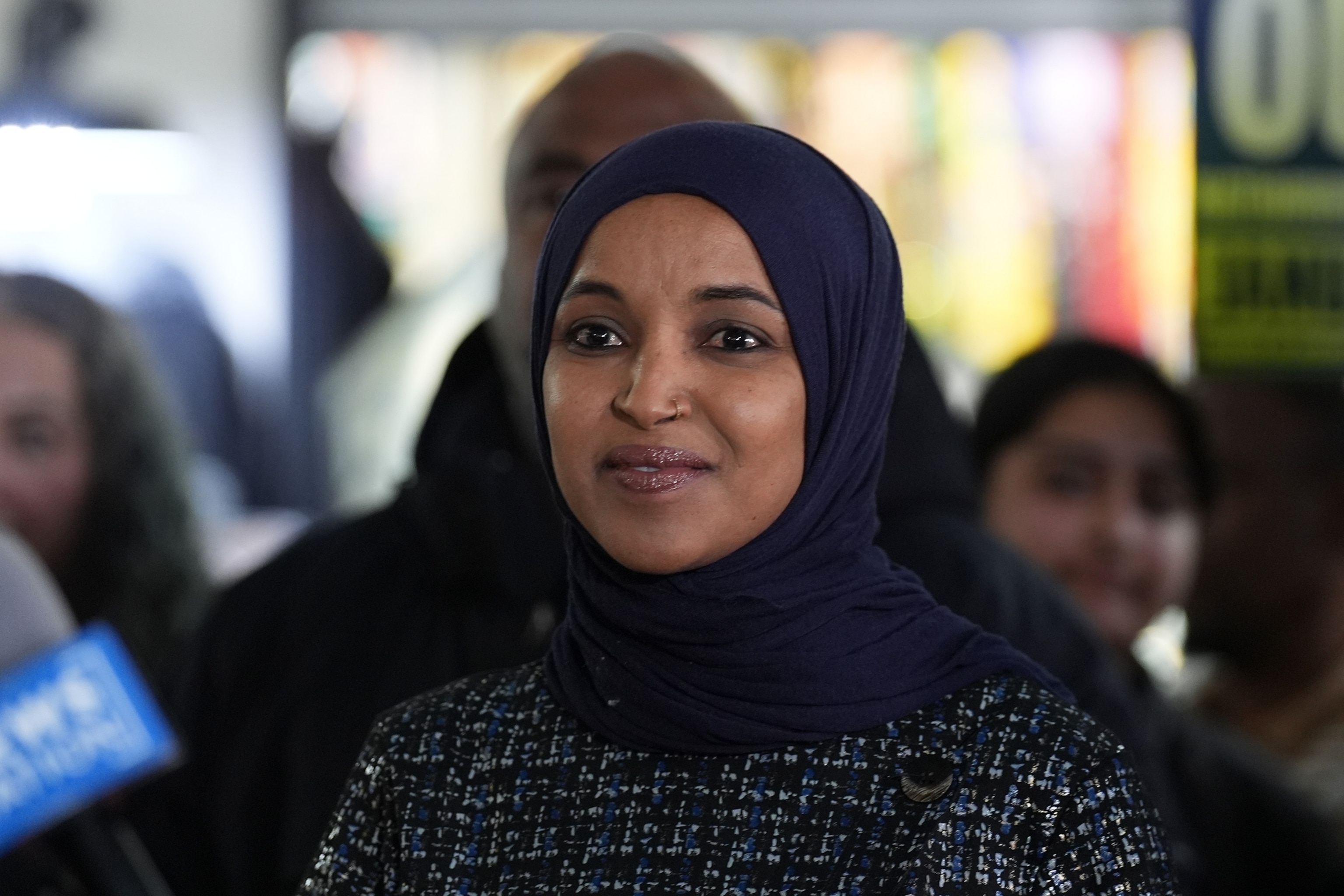
The revelations have raised questions about political cover and accountability, with Ilhan Omar‘s network under intense scrutiny, sparking a viral moment of apparent discomfort from the congresswoman.

The scandal revolves around the “Feeding Our Future” scheme, initially involving $250 million in COVID-era food aid theft, but investigators now estimate losses exceeding $1 billion across multiple programs.
Pirro, presenting investigative documents, highlighted the coordination required for such theft, suggesting high-level involvement that could imply protection from influential figures.
While Omar has denied any direct role, the proximity of her campaign network to convicted individuals has fueled calls for immediate arrests.
This fraud exemplifies how welfare systems can be exploited when oversight lapses, expanding from child nutrition to autism centers and child care facilities billing Medicaid for nonexistent services.
Federal reports detail “ghost” meal sites and suspicious transactions, painting a picture of systemic abuse during a time of national crisis.
In Minnesota, the scheme’s scale has shocked observers, with over 90 people charged, many of Somali descent, according to Justice Department officials.
Pirro‘s push for RICO action aims to dismantle these shadow networks, arguing that the law must prioritize evidence over fears of backlash.
She pointed to state hesitation, allegedly stemming from concerns about being labeled “racist” or “Islamophobic” by activists tied to Omar‘s camp.
This intersection of identity politics and financial crime forms the core of Pirro‘s battle, emphasizing blind justice in the face of massive theft.
The viral sensation of Omar‘s visible discomfort during her brief room presence symbolizes shifting tides, as public demand for accountability grows.
Investigators believe the fraud required sophisticated coordination, hinting at broader political implications beyond initial convictions.
The Trump administration’s focus on Minnesota stems from this scheme, leading to funding cutoffs in response to documented cases.
Somali-linked groups at the scandal’s center have drawn attention to Minnesota’s large Somali-American community, where social services play a key role.
While the fraud involves specific individuals, it has broader repercussions, affecting perceptions of community programs and federal aid distribution.
Pirro read through lists of fraudulent activities, underscoring the need for swift legal action to restore public trust.
The scheme’s expansion into Medicaid billing for unprovided hours highlights vulnerabilities in healthcare funding during emergencies.
Federal prosecutions, not state actions, have led to dozens of convictions in this prominent case.
Omar‘s consistent denials contrast with Pirro‘s assertions, creating a polarized narrative around the scandal’s political ties.

Allegations of Soros backing add another layer, linking protest funding to these financial networks, though direct connections remain under investigation.
Pirro‘s documents suggest political expediency traded for oversight, weaponizing welfare against the public good.
This case underscores ongoing debates about immigration, identity, and fiscal responsibility in American politics.
The sheer magnitude of the theft demands a reevaluation of program safeguards, as losses mount beyond initial estimates.
In her statements, Pirro has positioned herself as a champion of accountability, planting her flag in this contentious arena.
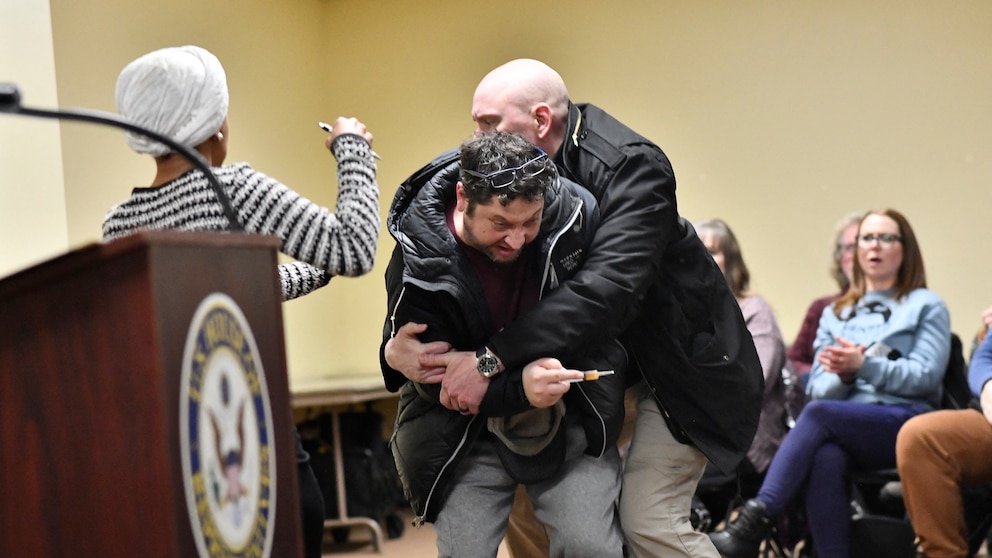
As the scandal unfolds, its impact on Minnesota’s political landscape could reshape discussions on fraud prevention and equity.
Ultimately, the push for arrests and crackdowns leaves lingering questions about justice in a divided nation.
Will this judicial thunderstorm lead to meaningful reform, or deepen existing rifts? The coming months may reveal the answers.