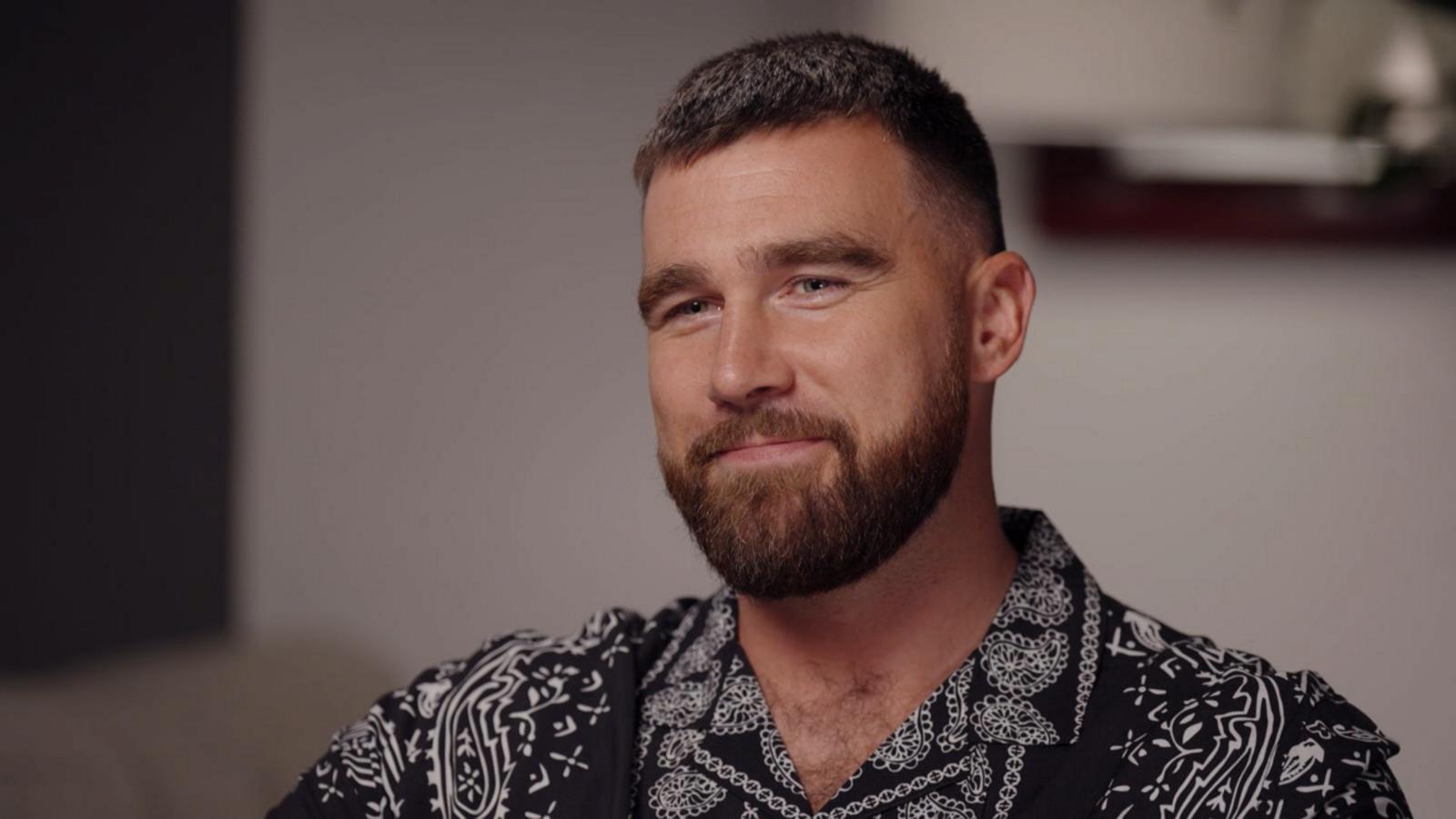
Travis Kelce just sparked a massive feud by calling the TPUSA halftime stars “unknown nobodies,” but Kid Rock didn’t take the insult lightly. His savage response exposed a truth that left Kelce completely speechless…
When posts began ricocheting across social media claiming that Travis Kelce had dismissed the TPUSA halftime performers as “unknown nobodies,” the reaction was instant and combustible.
Screenshots multiplied, clips were re-captioned, and commentary channels rushed to frame the moment as the opening salvo in a culture-war skirmish that had suddenly spilled onto the sports page. Within hours, another name was pulled into the swirl—Kid Rock—with posts asserting he had fired back with a blunt, cutting response that “left Kelce speechless.”
Whether the exchange unfolded exactly as described remains unverified, but the speed with which the narrative spread reveals why it landed so hard.

4
The story’s anatomy is familiar in the modern attention economy. A provocative quote—short, dismissive, easily shareable—appears without full context. A counterpunch is attributed to a figure whose brand thrives on confrontation. The framing promises revelation and humiliation, inviting audiences to pick sides before evidence catches up. In this case, the mention of TPUSA, a polarizing political organization, acted as accelerant, pulling sports fans, music audiences, and political commentators into the same thread. What followed wasn’t a debate about halftime production values; it was a referendum on celebrity influence, ideological alignment, and who gets to define relevance.
Supporters of Kelce argued that the alleged remark—if said at all—was being stripped of tone and circumstance, a casual aside turned into an insult through repetition. They pointed to the athlete’s history of focusing on performance and competition rather than politics, suggesting the narrative fit too neatly into pre-existing outrage templates. Critics countered that public figures should expect scrutiny when commenting on politically branded entertainment, arguing that dismissive language—real or perceived—invites response. In the middle sat the vast majority, trying to determine what actually happened.


Kid Rock’s alleged reply became the story’s second act. Posts described a terse, unapologetic statement that reframed “unknown” as proof of authenticity, suggesting that visibility doesn’t equal impact and that mainstream platforms don’t get to crown cultural value. The rhetoric—again, as circulated online—was designed to sting because it inverted the insult. Instead of defending fame, it challenged the idea that fame should matter at all. Whether those words were spoken verbatim or condensed through paraphrase, the message resonated with audiences predisposed to distrust celebrity gatekeeping.
What’s striking is how quickly the narrative moved from claim to conclusion. “Speechless” became shorthand for victory, even though silence online often reflects prudence rather than defeat. In reality, public figures frequently choose not to engage with viral bait, especially when facts are contested and amplification benefits no one. The absence of an immediate rebuttal, however, was read by some as confirmation—a reminder that in social media logic, response time can outweigh accuracy.

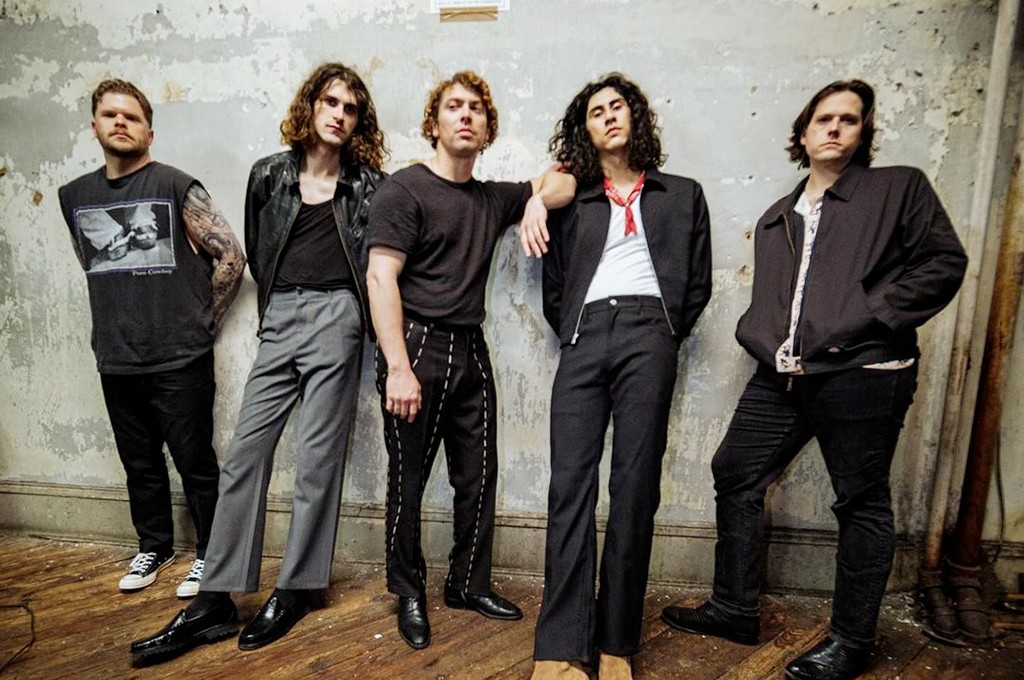

Stepping back, the episode illustrates a broader pattern. Sports and music icons are increasingly drafted into ideological battles not of their choosing, where offhand remarks—real, misheard, or invented—are weaponized for engagement. Political branding intensifies the effect, turning what might have been a forgettable comment into a symbolic clash. Algorithms reward certainty over nuance, reaction over record, and so the story grows even as verification lags.
None of this diminishes the genuine feelings on either side. Fans want their heroes to be respected; artists want their work to be judged on its own terms. The problem arises when narratives promise a “truth exposed” without providing primary sources. In such cases, the truth that’s actually revealed is how easily audiences are pulled into a storyline that flatters their priors.
By the end of the day, the alleged feud said less about halftime performers or individual egos and more about the machinery of virality. It showed how quickly cultural status can be contested, how silence can be misread, and how labels like “unknown” carry different meanings depending on who’s holding them. Whether any savage response occurred exactly as described remains to be established. What is clear is this: in a landscape where sports, music, and politics constantly collide, the loudest moments aren’t always the most accurate—but they are the ones most likely to travel.